
Direct answer
FCC numbering policies resellers robocalls reply comments July 7 2026: what buyers need to know
The FCC's numbering-policy robocall rulemaking remains active with reply comments and Paperwork Reduction Act comments due July 7, 2026. The proposal targets number access, reseller oversight, reporting, and KYC because the FCC says resold numbers appear in many illegal robocall investigations. VoIP buyers should respond by asking providers to prove number control, reseller-chain visibility, RMD standing, STIR/SHAKEN handling, and continuity plans before signing.
This brief cites the source announcement and translates the event into a buyer framework. Verify current vendor terms before changing phone, messaging, or AI routing.
What happened
- The Federal Register notice for the FCC rulemaking lists reply comments and Paperwork Reduction Act comments due July 7, 2026.
- The FCC's notice of proposed rulemaking says the agency is considering numbering-policy changes, utilization and reporting changes, and resale controls, particularly for resellers used in illegal robocalling schemes.
- The FCC proposal would expand certifications to all providers that access numbering resources directly and to resellers, while increasing reporting and tracking expectations.
- The FCC says many robocall investigations involve resold numbers and that multiple resale layers can obscure accountability.
- Mintz independently summarized the proposal as a new compliance layer for providers and resellers, including certification, wholesale reporting, resale limits, and number-cycling controls.
Why this is trending
- The July 7 reply-comment deadline makes the rulemaking current for carriers, CPaaS platforms, compliance teams, and high-volume outbound buyers.
- The proposal links robocall enforcement to number access, reseller visibility, and provider certification, not only call blocking after abuse occurs.
- AI voice agents, appointment reminders, collections calls, sales dialers, and support callbacks all depend on number reputation and network reachability.
The VoIP Stack Index take
A VoIP buyer should not treat number provisioning as a back-office detail. If a provider cannot explain who controls the numbers, whether numbers are resold, how STIR/SHAKEN is handled, how RMD standing is maintained, and what happens during a compliance freeze, the buyer is accepting deliverability and continuity risk.
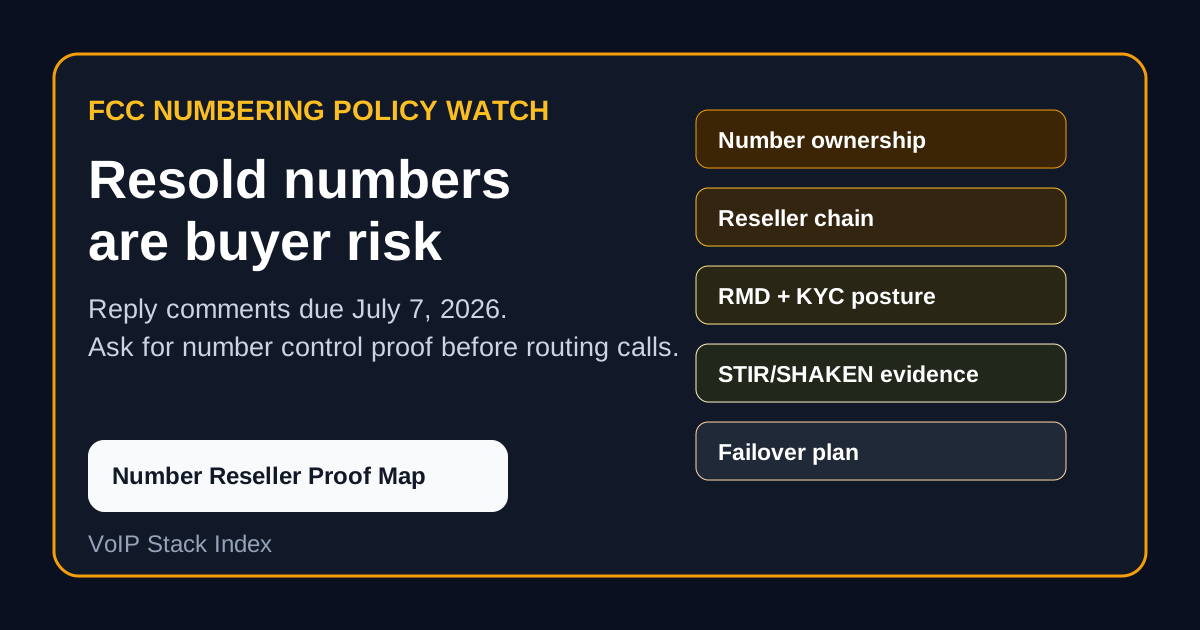
Number Reseller Proof Map
A buyer framework for validating number ownership, reseller chain visibility, Robocall Mitigation Database standing, STIR/SHAKEN posture, NRUF reporting, resale limits, and failover plans before routing critical calls.
What buyers should do next
Ask each VoIP, SIP, CPaaS, or AI calling provider whether your numbers are directly held, resold, or routed through downstream providers.
Request RMD standing, KYC workflow, traceback response process, STIR/SHAKEN evidence, and number-porting rights before signing.
Segment high-risk outbound traffic from core support, scheduling, emergency, and customer-service callbacks.
Build a number-freeze playbook that covers failover routes, backup numbers, manual callbacks, and customer communication.
Buyer bridge
Do the routing audit before buying the buzz.
The winning AI phone stack is the one that preserves context, controls fallback, and lets humans take over without making the customer repeat the story.
Run the AI-ready VoIP audit